
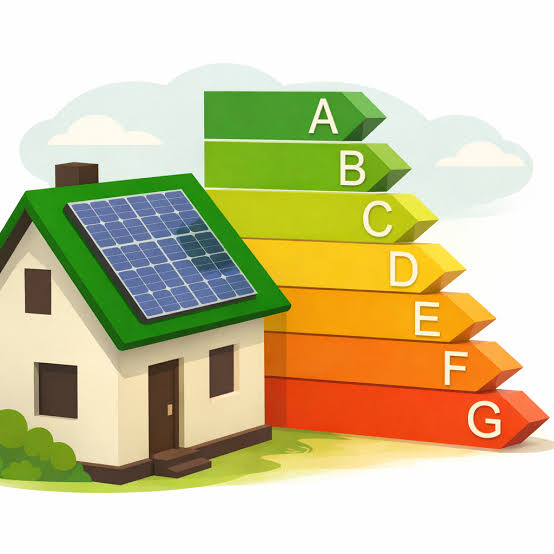
EPC C Deadline 2030: What UK Landlords Need to Know About New EPC Regulations
The UK Government has confirmed major changes to EPC regulations for landlords, with new rules set to transform the private rented sector by 2030.
If you own or manage rental property, understanding the EPC C deadline 2030 is essential. These updates will affect whether you can legally let your property—and could involve significant upgrades.
In this guide, we explain everything you need to know about the new EPC requirements for landlords, what’s changing, and how to prepare.
What Is the EPC C Deadline for Rental Properties?
The headline rule is clear:
All privately rented properties must achieve an EPC rating of C or above by 1 October 2030, unless a valid exemption applies.
- New tenancies
- Existing tenancies
- Most domestic rental properties across England and Wales
This represents a major shift from the current standard of EPC E, in place since 2018. [epcadvisor.co.uk]
Why Are EPC Rules Changing?
The Government’s updated Minimum Energy Efficiency Standards (MEES) are part of a wider plan to:
- Reduce carbon emissions
- Improve housing quality
- Lower tenant energy bills
- Tackle fuel poverty
Improving the EPC rating of rental homes is seen as critical to these national targets. [rightmove.co.uk]
Key EPC Regulation Changes for Landlords (2026–2030)
1. Single Compliance Deadline (No Phased Rollout)
Earlier proposals included a 2028 deadline for new tenancies. This has now been removed.
- New rule: One deadline for all properties – 1 October 2030 [gov.uk]
2. New EPC Rating System (Dual-Metric Approach)
EPC assessments are being reformed. Instead of a single score, future EPCs will measure:
- Fabric performance (insulation, structure)
- Plus either:
- Heating system efficiency
- Smart readiness
This means landlords must focus not just on quick fixes, but on long-term energy efficiency improvements.
3. £10,000 Cost Cap for Landlords
To help manage costs:
- Maximum required spend: £10,000 per property
- Applies over a 10-year period
- Exemptions allowed if costs exceed the cap
4. Existing EPC C Ratings Will Carry Over
If your property:
- Already has an EPC rating of C or above
- Issued before October 2029
👉 It will remain compliant until the certificate expires.
5. Higher Fines for Non-Compliance
Landlords who fail to meet the new EPC standards could face:
- Fines of up to £30,000 per property [epcguide.co.uk]
Enforcement powers for local authorities are also expected to increase.ave enhanced enforcement powers under the updated regulations.
What Properties Are Affected?
The new EPC requirements apply to:
- Buy-to-let properties
- HMOs (in most cases)
- Assured and regulated tenancies
In short, the vast majority of the private rented sector (PRS) will need to comply. [epcguide.co.uk]
How to Improve Your EPC Rating Before 2030
Many UK rental properties are currently below EPC C, so upgrades will likely be required.
Common improvements include:
- Loft and wall insulation
- Double or triple glazing
- Energy-efficient heating systems
- Draught-proofing
- Smart heating controls
The Government recommends a fabric-first approach, prioritising insulation before technology upgrades. [nrla.org.uk]
Why Landlords Should Act Now
Although the EPC 2030 deadline may seem far away, early action has key advantages:
- Avoid last-minute upgrade costs
- Improve rental value and tenant demand
- Spread investment over several years
- Reduce risk of penalties
Demand for retrofit services is expected to increase significantly as 2030 approaches.
EPC 2030 Compliance: What Happens Next?
The Government intends to:
- Introduce legislation around 2027
- Roll out new EPC methodologies before 2030
- Support upgrades through wider energy efficiency programmes
This means landlords should expect ongoing changes in how EPC ratings are calculated and enforced.
How Greener Homes London Can Help
At Greener Homes London, we help landlords prepare for the EPC C 2030 requirements with expert guidance and practical solutions.
Our services include:
- Assessments and compliance checks -
- Retrofit planning and improvement strategies -
- Energy-efficient upgrades -
- End-to-end support for landlords -
- Named manager for your property/properties
Whether you're upgrading one property or an entire portfolio, we’ll help you meet the new standards efficiently and cost-effectively.can help you future-proof your investments ahead of the 2030 deadline.
Final Thoughts: Preparing for EPC C by 2030
The new EPC regulations for landlords represent a major shift in the UK property market.
While the changes introduce new responsibilities, they also provide an opportunity to:
- Improve property performance
- Increase long-term value
- Deliver better living standards for tenants
The key is to start early, plan strategically, and get expert support.
Get Started Today
Want to ensure your property meets the EPC C deadline 2030?
👉 Visit Greener Homes London to book an assessment or speak with our team.
The Government intends to:
- Introduce legislation around 2027
- Roll out new EPC methodologies before 2030
- Support upgrades through wider energy efficiency programmes